Shatavari for Female Fertility: Ayurveda’s Queen Herb for Women’s Wellness
Written and medically reviewed by Dr. Ramya V Desai
Dr. Ramya V. Desai is a Ayurvedic Consultant at My Ayur with more than 12 years of clinical experience in Ayurvedic practice. She specializes in obesity management, infertility, PCOD and lifestyle disorders, helping patients achieve holistic health through personalized care.
In my clinical practice as an Ayurveda doctor, one herb repeatedly earns the trust of women struggling with irregular cycles, hormonal imbalance, stress-related infertility, painful periods, and emotional exhaustion: Shatavari.
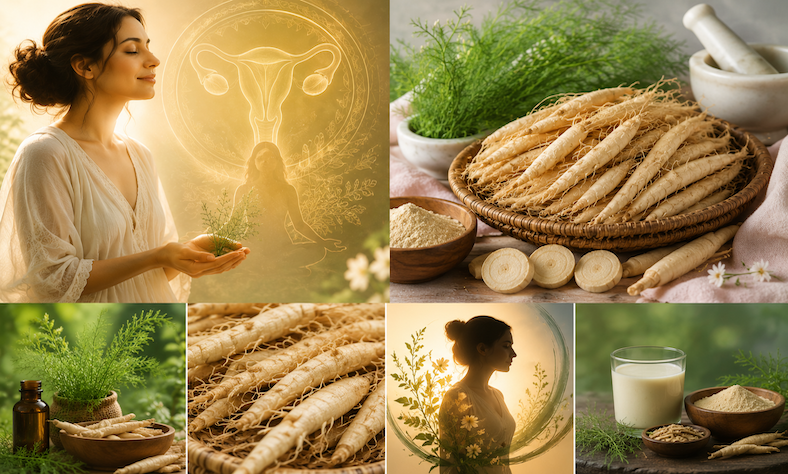
Known botanically as Asparagus racemosus, Shatavari has been called the "Queen of Herbs" in Ayurveda for centuries. The name itself translates to "she who possesses a hundred husbands," symbolising a woman with strong reproductive vitality and endurance.
But beyond the poetic description, what makes Shatavari truly remarkable is how gently and intelligently it works on the female body.
As modern fertility challenges rise due to stress, poor sleep, processed foods, environmental toxins, delayed pregnancies, and emotional burnout, many women are looking for natural ways to support reproductive health. This is where Ayurveda offers a deeper perspective: fertility is not just about conception; it is about nourishment, hormones, mental health, digestion, and tissue strength. Shatavari bridges ancient wisdom with modern science in this area.
What Is Shatavari in Ayurveda?
In Ayurveda, Shatavari is classified as a Rasayana, a rejuvenative herb that nourishes tissues, promotes longevity, and restores balance. It primarily supports:
- Artava Dhatu (female reproductive tissue)
- Hormonal balance
- Ojas (vitality and immunity)
- Emotional stability
- Fertility and uterine nourishment
Women with irregular cycles, excessive heat, dryness, anxiety, poor sleep, emotional stress, or recurrent hormonal disturbances often respond remarkably well to properly prescribed Shatavari.
Why Do Modern Women Need Shatavari More Than Ever?
One thing I frequently observe in practice: many modern women today are physically exhausted, emotionally overwhelmed, and mentally overstimulated.
They are working long hours, skipping meals, sleeping late, surviving on caffeine, multitasking constantly, and carrying emotional stress silently. Over time, this affects ovulation, menstrual regularity, egg quality, libido, digestion, sleep, and hormonal rhythm.
In Ayurveda, excessive stress aggravates Vata dosha, which directly disturbs the reproductive system. I have seen women whose cycles improved simply after improving sleep, digestion, and stress management, and adding nourishing herbs like Shatavari consistently for a few months. In my experience, herbs work best when the body finally feels safe, nourished, and rested enough to heal.
How Does Shatavari Support Female Fertility?
Shatavari supports fertility through several interconnected pathways rather than targeting a single hormone or organ. Here is how each one works.
How does Shatavari support hormonal balance?
Shatavari contains naturally occurring phytoestrogenic compounds that may
help support female hormonal health gently. Unlike synthetic hormonal
manipulation, Ayurveda aims to nourish the body so hormones regulate more
naturally over time. Clinically, many women report better cycle regularity,
reduced PMS, improved cervical mucus, less menstrual pain, and better
emotional stability.
How does Shatavari nourish the uterus and reproductive tissues?
In Ayurveda, fertility depends heavily on the nourishment of Rasa Dhatu and Artava Dhatu. Women who are underweight, over-stressed, recovering from illness, or emotionally depleted often show signs of tissue deficiency: scanty periods, dryness, delayed ovulation, fatigue, hair fall, and anxiety. Shatavari acts as a deeply nourishing tonic for these tissues.
Can Shatavari help with stress-related infertility?
This is one of the most overlooked aspects of fertility care. I often meet couples whose test reports are normal, yet conception is delayed for years. Many of these women live in a constant state of nervous-system stress. Shatavari has mild adaptogenic properties that may help the body cope better with stress. A calmer nervous system often improves ovulation quality, hormonal communication, sleep, digestion, and libido.
Is Shatavari helpful for PMOS (Polyendocrine Metabolic Ovarian Syndrome)?
Shatavari is not a standalone treatment for PMOS (previously known as PCOS), but in the right patient it can be supportive, particularly when PMOS presents with irregular periods, stress, hormonal imbalance, heat symptoms, emotional irritability, and poor sleep. However, Ayurveda never treats all PMOS cases the same way. Some women need metabolism-focused herbs first before receiving nourishing herbs. This is why proper consultation matters.
Can Shatavari help during menopause and postpartum recovery?
Shatavari is traditionally used beyond fertility as well. It may help support vaginal dryness, hot flashes, emotional instability, low energy, breastfeeding, and postpartum recovery. In Ayurveda, women's health is viewed as a lifelong journey, not only fertility-focused.
Many women trying to conceive also ask whether herbs like Shatavari can improve egg health and ovarian nourishment. In Ayurveda, fertility is deeply connected with tissue nutrition, hormonal balance, and egg quality.
Read our detailed guide on how to improve egg quality naturally with Ayurveda to understand the Ayurvedic approach to reproductive wellness.
What Does Modern Research Say About Shatavari?
Modern reviews of Asparagus racemosus describe potential antioxidant, adaptogenic, hormone-supportive, and galactagogue (breast-milk) activity, and the herb has long been documented in the pharmacology literature as a reproductive and rejuvenative tonic. While larger, high-quality human trials are still needed, traditional Ayurvedic use and emerging research both point to a supportive role in women's reproductive wellness and hormonal balance.
Ayurveda believes fertility improves when the body feels nourished, calm, and balanced. Along with herbs like Shatavari, guided lifestyle support through the MyAyur app can help women follow sustainable, fertility-focused Ayurvedic practices.
Scientific References
- Goyal RK, Singh J, Lal H. Asparagus racemosus — an update. Indian Journal of Medical Sciences, 2003.
- Alok S, et al. Plant profile, phytochemistry and pharmacology of Asparagus racemosus (Shatavari): A review. Asian Pacific Journal of Tropical Disease, 2013.
- Sharma PV. Dravyaguna Vijnana. Classical Ayurvedic text describing Shatavari as a reproductive tonic.
- Ayurvedic Formulary of India. Government of India. Mentions Shatavari formulations for reproductive health.
This article is for educational purposes only and should not replace professional medical advice, diagnosis, or fertility treatment. Always consult a qualified practitioner before starting any herb, especially during pregnancy, breastfeeding, or if you have a hormone-sensitive condition.